
Sustainability as a cost driver? Why green packaging can improve your margin
· by Editorial team
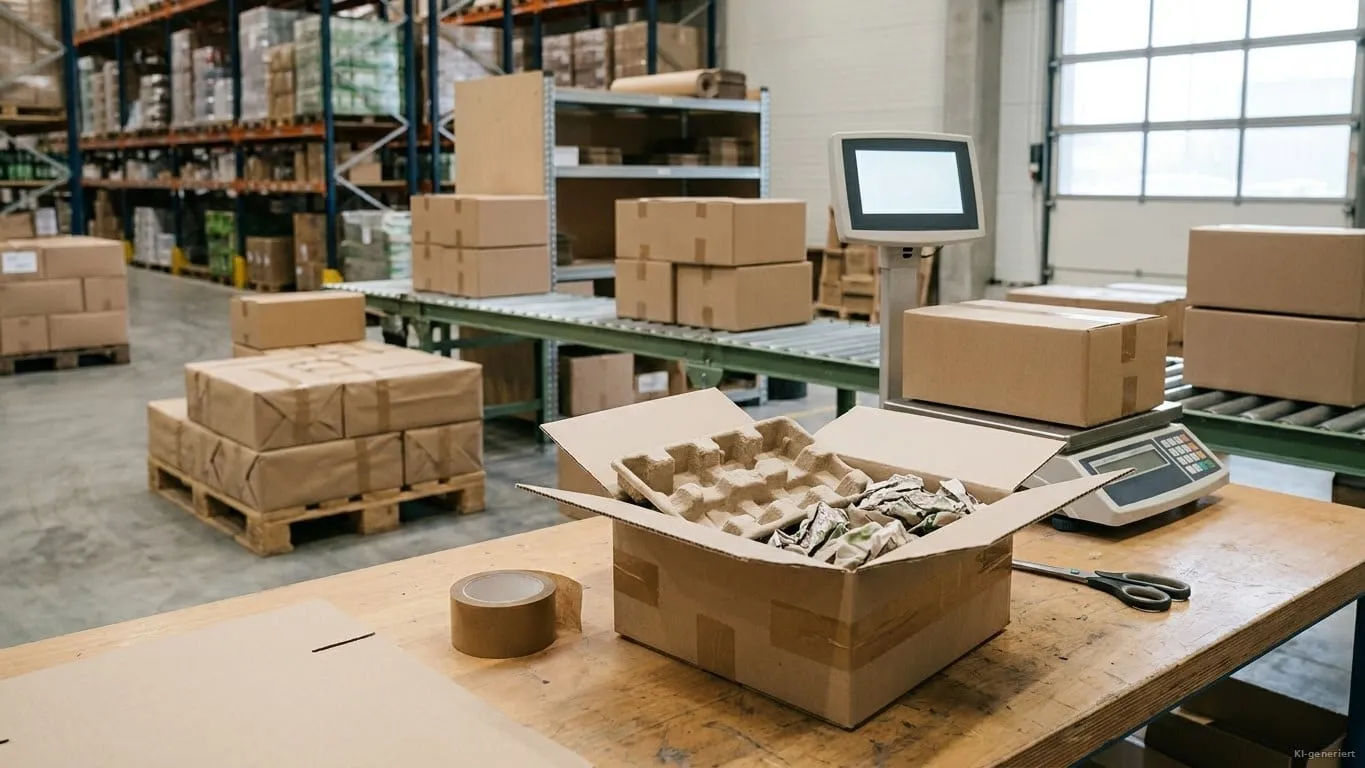
Sustainable packaging is rarely the cost driver many shippers take it for. Switching to material-saving paper cushioning systems often lowers material use per shipment, reduces storage and shipping costs and strengthens customer loyalty. Green packaging therefore acts less as an expense and more as a lever for your margin.
Many shipping managers ask themselves the same question when it comes to sustainability: does switching to environmentally friendly packaging ultimately cost more than it brings in? Looking purely at the unit price of a cushioning material seems to suggest so at first. But anyone who compares only the purchase price overlooks the real cost blocks in shipping, and that is exactly where it is decided whether green packaging burdens or improves your margin.
Why does sustainable packaging cost more at first glance?
The comparison almost always begins with the material price per metre or per bag. At this level, established plastic solutions often appear cheaper. What matters for your calculation, however, is not the material price alone but the total cost per parcel shipped. And this calculation includes factors that do not appear in the purchase price at all: the actual material consumption per shipment, the space required in the warehouse, the time at the packing station and the follow-on costs of transit damage.
Modern paper cushioning produces the cushioning material on demand directly at the packing bench. Instead of holding large quantities of pre-made stock, the cushion is created exactly when it is needed, in the quantity the individual shipment actually requires. This approach shifts the focus from unit price to real process costs, and that is precisely where the savings potential lies. Anyone who adopts this perspective no longer sees packaging as a mere consumable, but as an adjustable factor in the overall process.
Where exactly does green packaging improve your margin?
The first lever is material consumption. On-demand systems dispense cushioning according to need, which reduces overfilling and material waste. Less material used per parcel means immediately lower variable costs, on every single shipment, across your entire shipping volume.
The second lever is storage space. Paper rolls for systems such as the PAD EZ or the PaperEZ® Bubble require considerably less floor space than bulky pre-made cushions. Freed-up storage space is real money, either as saved rent or as capacity you can use elsewhere.
The third lever is the returns rate. In e-commerce in particular, products that arrive damaged cause double costs: for the return itself and for the replacement shipment. A cleanly cushioned, professional-looking parcel not only protects the goods but also influences how customers perceive your brand. Well-designed, resource-saving packaging pays directly into recommendations and repeat purchase rates, and thus into revenue that appears in no material calculation.
Matching product: Sustainable paper cushioning | FUCHSPACK Environmentally friendly & robust: paper cushioning systems for eco-friendly shipping. Flexible for cushioning & retention. Switch to paper now! More about sustainable paper cushioning | FUCHSPACK →
Related to this article: Nachhaltige Papierpolster-Verpackungen | FUCHSPACK Umweltfreundlich & belastbar: Papierpolstersysteme für ökologischen Versand. Flexibel einsetzbar zum Polstern & Fixieren. Jetzt auf Papier umsteigen! More about Nachhaltige Papierpolster-Verpackungen | FUCHSPACK →
Is sustainable packaging economical even at high shipping volumes?
This concern is widespread, and in practice usually unfounded. It is precisely at high throughput that on-demand paper cushioning plays to its strengths, because effects such as lower material consumption and less handling add up across thousands of shipments. What looks like a few cents per parcel becomes a noticeable item in your calculation over the year.
Selecting the right system is important here: not every product and every packing station needs the same solution. A compact system may be exactly right for smaller volumes, while heavily utilised packing lines benefit from higher-performance systems. Which solution makes the most economic sense for your shipping profile is best assessed on the basis of your specific shipment structure. There is deliberately no blanket answer here, but there is a clear path to reliably determining the potential for your operation.
Conclusion: sustainability and margin are not a contradiction
Viewing green packaging purely as a cost driver falls short. Anyone who looks at the total cost per parcel (material, storage, handling and damage) quickly recognises that resource-saving packaging relieves the burden in several places at once. Sustainability thus turns from a supposed cost factor into a business advantage that strengthens your margin and improves your environmental footprint at the same time.
Frequently asked questions about sustainable packaging and costs
Is sustainable packaging really more expensive than conventional packaging?
In terms of material price, it often appears more expensive. However, if you look at the total cost per shipment including material consumption, storage space and damage rate, the picture is reversed in many cases.
What does "on demand" mean for paper cushioning systems?
On demand means that the cushioning material is produced directly at the packing station and in the quantity required, instead of storing pre-made stock. This reduces material waste and storage requirements.
Is switching worthwhile for smaller shippers too?
Yes. Even at moderate volumes, the saved storage space and reduced material consumption have an effect. The decisive factor is a system size that matches the shipment structure.
Does sustainable packaging improve customer perception?
Well-designed, resource-saving packaging is perceived positively by many recipients and can support recommendations and repeat purchase rates.
Transparency note: This article was created with AI assistance and reviewed by our editorial team. The article image is AI-generated.